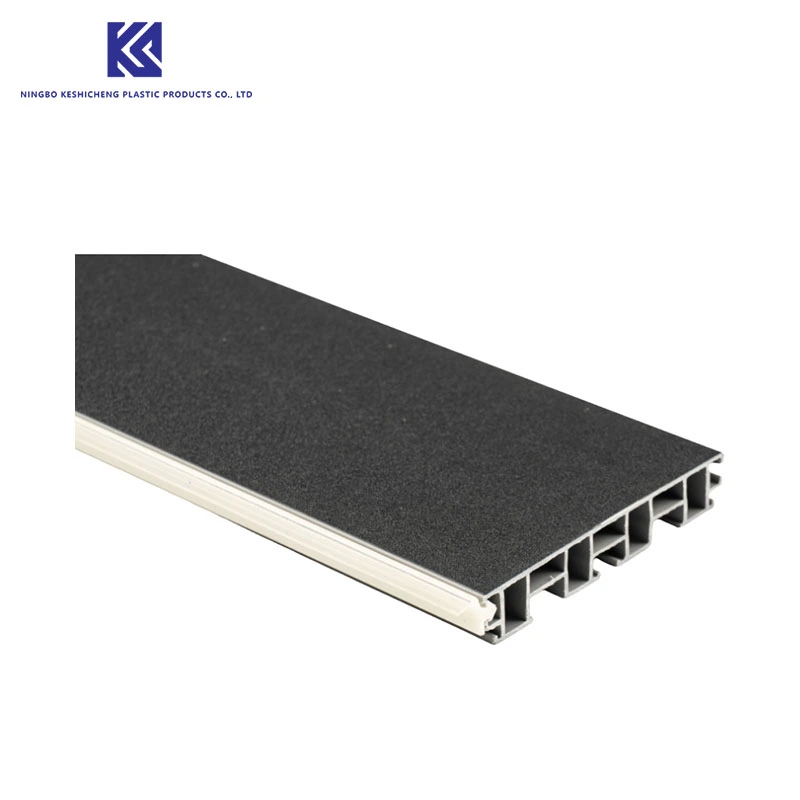
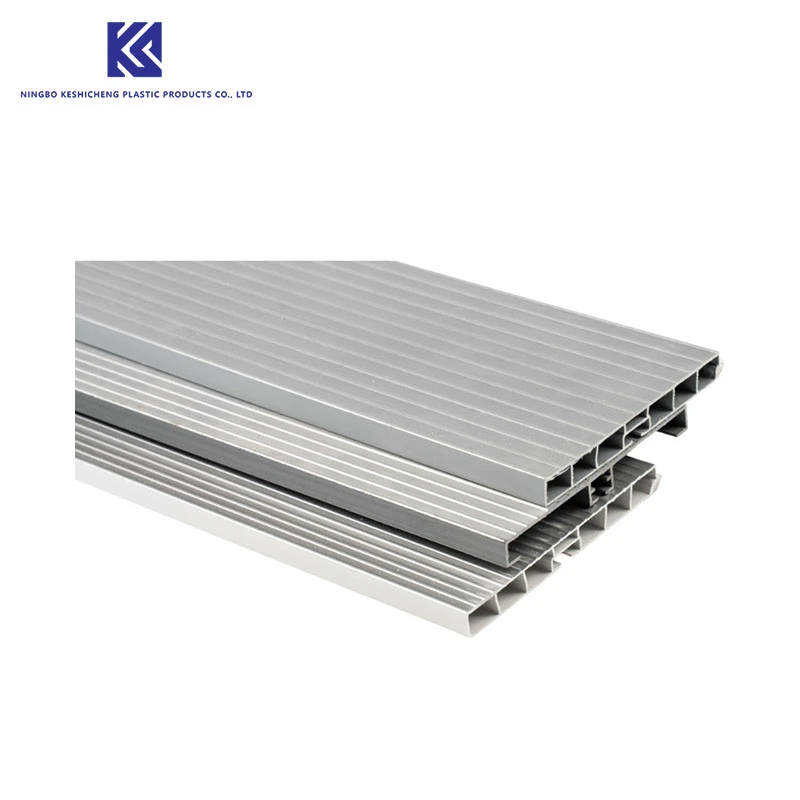
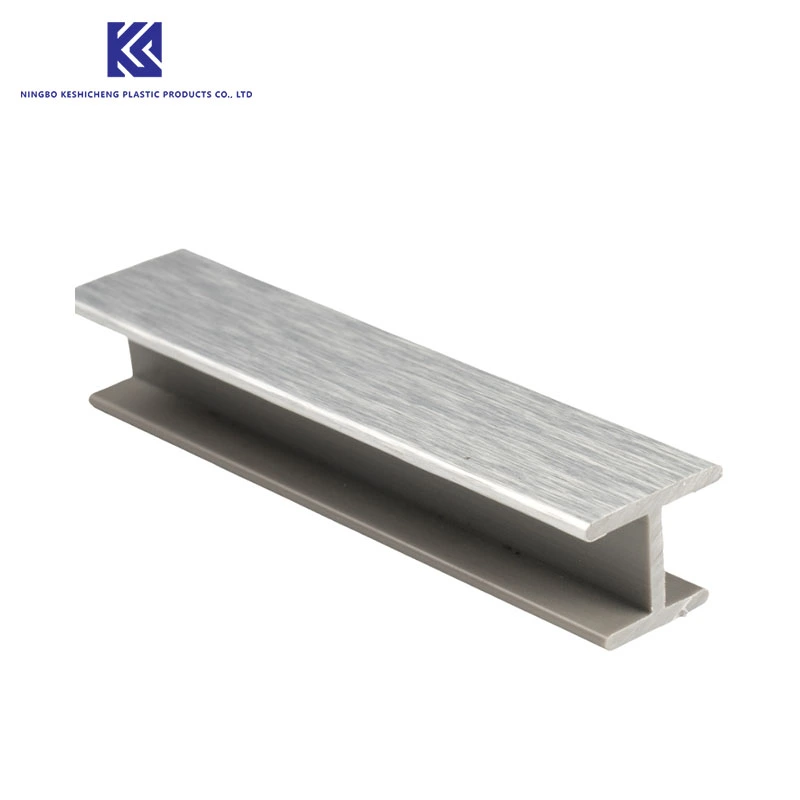
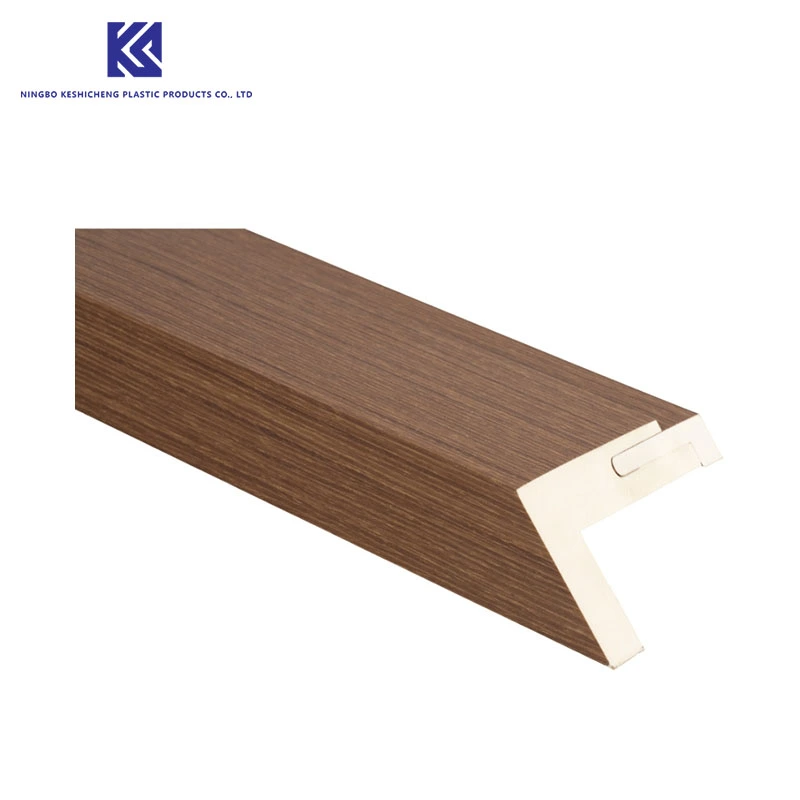
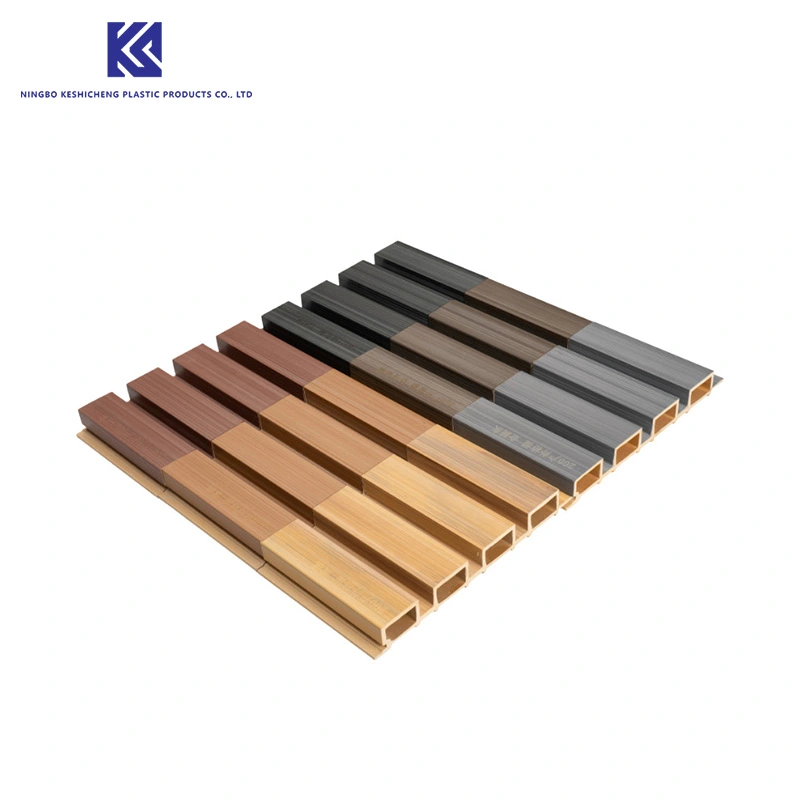
In 2026, the PVC foam board industry is accelerating its transformation and upgrading, with a core focus on environmental sustainability, functional enhancement, and high-end positioning.
2026-06-10
In recent years, driven by the rapid growth of sectors such as architectural decoration, advertising signage, prefabricated interiors, and outdoor materials, market demand for PVC foam boards has surged. Thanks to key advantages—including water and moisture resistance, lightweight and easy processing, flame retardancy, sound insulation, and excellent cost-performance—these boards have become a popular category within the panel industry. As of 2026, the industry has moved beyond low-end, homogenized competition and entered a new phase of high-quality development characterized by environmental improvements, functional innovation, and expanded applications, leading to a profound restructuring of the industry landscape.
Currently, tightening environmental regulations and evolving high-end demand are the primary drivers of the industry's transformation. Compelled by both the "Dual Carbon" strategy and international environmental standards, traditional low-quality boards containing lead or formaldehyde are gradually being phased out. High-quality boards—featuring lead-free and formaldehyde-free compositions and compliance with EU RoHS and REACH directives as well as US CARB certification—have become the baseline for market entry and the mainstream choice. Leading enterprises are prioritizing technological initiatives such as replacing traditional stabilizers with eco-friendly calcium-zinc alternatives, implementing closed-loop recycling processes, and developing bio-based PVC modified materials; these moves align with green building material trends and facilitate access to high-end overseas markets.
Simultaneously, the functional upgrading of PVC foam boards is accelerating, and application scenarios are continuously expanding. To address common issues associated with outdoor use—such as aging, chalking, and deformation—manufacturers have launched functional boards featuring weather resistance, UV protection, high abrasion resistance, Class B1 flame retardancy, and antimicrobial/anti-mold properties. These innovations overcome the limitations of traditional boards, which were previously restricted to indoor use, enabling their widespread application in building facades, outdoor advertising, landscaping, and public facilities. Furthermore, the rapid adoption of prefabricated interior fit-outs is driving the industry to shift from merely supplying boards to offering integrated, customized solutions—such as unified ceiling, wall, door, and cabinetry systems—that cater to diverse settings including residential, commercial, and public projects, thereby unlocking further market growth. As the industry develops, the competitive landscape continues to improve; small, low-end manufacturers are gradually being phased out, while high-quality factories—characterized by large-scale production, core R&D capabilities, and rigorous quality control systems—have come to dominate the market. Industry insiders note that the PVC foam board sector will continue to prioritize environmental sustainability, quality, and innovation. By deepening R&D and product iteration to meet the refined demands of downstream markets, the industry is steadily advancing toward standardization, high-end positioning, and internationalization, thereby fostering the high-quality development of the green building materials sector.